
Women at the Frontline of the Fight Against Diseases of Poverty in Sub-Saharan Africa
International Women’s Day offers an important opportunity to recognise the pivotal role women play in communities across Sub-Saharan Africa, especially in the fight against diseases of poverty such as Malaria, Schistosomiasis etc. Their everyday actions shape health outcomes for families and entire communities, yet the burden of disease and the weight of systemic inequality continue to challenge progress.
This season, we shine a spotlight on these women, not only to celebrate their resilience, but to acknowledge the structural barriers they face and the leadership they demonstrate every day.
Why women are central to this work
In many rural communities across Sub-Saharan Africa, women are the primary caregivers. They manage the health of children, care for elders, support family members living with chronic illness, and often balance these responsibilities alongside agricultural or other informal work that sustains household income.
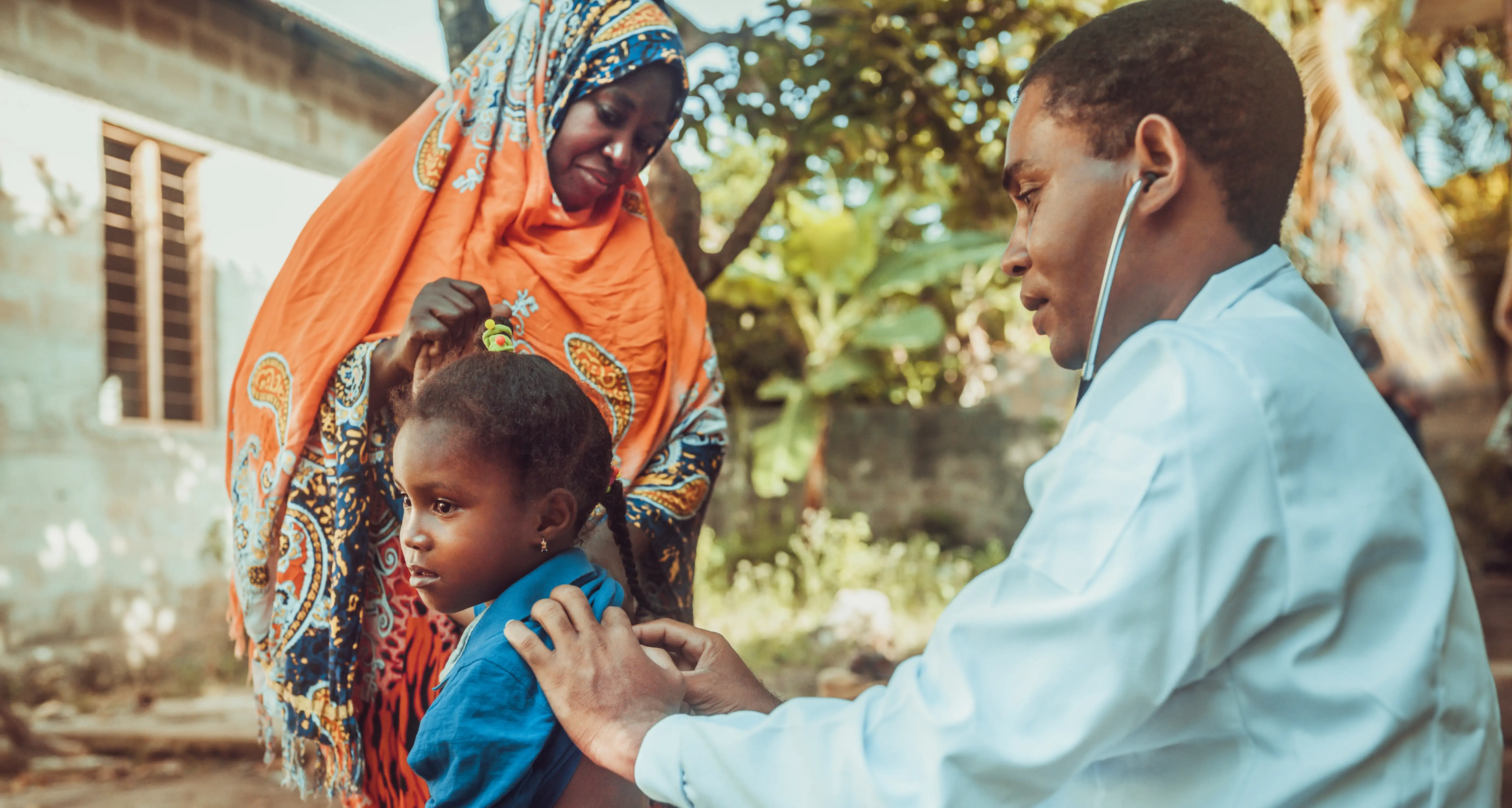
This places women at the centre of how diseases of poverty are experienced, recognised, and addressed. They are often the first to notice symptoms, the first to seek care, and are the link between households and health systems. Their decisions influence whether a child sleeps under an insecticide-treated net, whether a fever is treated promptly, or whether antenatal care is accessed during pregnancy.
Women’s knowledge of community health realities is not abstract; it is lived and practical. Any meaningful effort to eliminate diseases of poverty must recognise that women are not peripheral beneficiaries of health interventions, they are essential actors in their success.
.png)
The realities women face
Sub-Saharan Africa continues to carry the greatest global burden of malaria. In 2024, there were an estimated 282 million malaria cases and 610,000 deaths globally across 80 countries, with the WHO African Region bearing a disproportionately high share of this burden. The region accounted for 95% of all cases (265 million) and 95% of deaths (579,000), with children under five representing approximately 75% of malaria-related deaths there. Pregnant women and young children are among the most vulnerable. Malaria during pregnancy can lead to maternal anaemia, low birth weight, and increased risk of infant mortality. These health challenges are compounded by extreme poverty and persistent gender inequality.
Neglected tropical diseases such as schistosomiasis too continue to affect millions, particularly in communities lacking access to safe water and adequate sanitation. Estimates show that at least 251.4 million people required preventive treatment for schistosomiasis in 2021, out of which more than 75.3 million people were reported to have been treated. Women and girls are often at increased risk of exposure due to daily responsibilities such as collecting water, washing clothes, and working in agricultural fields.
These health risks are inseparable from the broader realities of extreme poverty and gender inequality. Limited access to education, restricted economic opportunities, constrained decision-making power within households, and long distances to healthcare facilities can delay or prevent timely treatment. Weak infrastructure and overstretched health systems further intensify these vulnerabilities.
Women are therefore not only central to managing disease, but they are also often disproportionately affected by it. Recognising this dual reality is critical. Celebrating resilience must never mean normalising the burden.
Recognising resilience without normalising inequality
Women across rural sub-Saharan Africa demonstrate extraordinary strength. They navigate overlapping responsibilities: caregiving, food security, income generation, and health management, often in environments shaped by structural inequities.
Their resilience reflects leadership under pressure. But true progress requires more than admiration. It requires addressing the root causes of vulnerability: poverty, unequal access to education and resources, and limited inclusion in decision-making processes.
Gender-aware approaches are not optional add-ons to disease control strategies, they are foundational. Even the most efficacious tools remain ineffective if communities do not consistently engage with or use them. Applying human-centred and inclusive design, particularly by recognising women’s pivotal role in household decision-making and intervention compliance, is essential to removing social and structural barriers, increasing sustained uptake, and ensuring long-term impact.
Women as partners in elimination efforts
Within the scientific and public health community, leaders like Marlize Coleman (Head of Strategy & Portfolio at Landcent) exemplify what gender-conscious impact looks like in practice. Marlize has spent more than three decades working in malaria control and elimination.
More than twenty years ago, she actively advocated for and supported the integration of women into vector control programmes. Marlize emphasises that the true foundation of impact lies not in titles or technologies, but with the unsung heroes at community level. These are the women who support research activities, who help build trust around intervention tools, who overcome barriers to ensure their children are protected, diagnosed and treated in time. Their quiet leadership and daily determination make disease control and elimination possible.
Reflecting on the importance of this, Marlize shares: “When women are supported, valued, and involved, magic happens. We must engage more actively with women in our communities to understand research gaps, design practical intervention tools, and move towards true community ownership and empowerment.” Her words serve as both affirmation and call to action.
What effective work looks like
Addressing diseases of poverty is not solely a technical challenge, it is a social one. Effective work is grounded in lived realities. It requires listening to women, understanding how health decisions are made within households, and engaging women not only as participants, but as co-designers of solutions.
At Landcent, this means advancing innovative approaches to malaria and neglected tropical diseases that are practical in resource-limited settings, improving prevention, strengthening diagnostics, and ensuring that solutions are scalable and responsive to real-world conditions.
When women are meaningfully included, as health workers, researchers, decision-makers, and community leaders, health systems become more responsive and more resilient.
Looking ahead
Healthier women contribute to healthier families, more stable economies, and stronger communities. Supporting women is not a symbolic gesture; it is a strategic imperative for long-term impact.
At Landcent, on this International Women’s Day, we honour the women at the frontline of the fight against diseases of poverty across sub-Saharan Africa. We recognise their contributions, acknowledge the inequities they face, and reaffirm the importance of designing solutions that support rather than rely disproportionately upon their strength.
Because when women are empowered, entire communities move closer to a future free from diseases of poverty.
More Updates




%204.png)


Subscribe to The Newsletter
Be the first to know—Get the latest news, discoveries, and impact stories that matter
