
Now We Can, Now We Must - Accelerating the Path to a Malaria-Free World
Malaria remains a daily reality for millions of people, shaping lives, routines, and futures across many communities. Observed each year on 25 April, World Malaria Day is a moment to recognize this lived experience, families navigating uncertainty, children missing out on school, and communities carrying a burden that we already have the tools to lift. It reminds us that behind every statistic is a life that matters, and a future worth protecting.
In 2024, malaria remained a major global health challenge, with an estimated 282 million cases and 610,000 deaths reported across 80 countries. The burden was overwhelmingly concentrated in the WHO African Region, which accounted for 95% of global cases (265 million) and 95% of deaths (579,000). Children under the age of five were particularly vulnerable, representing about 75% of all malaria deaths in the region, underscoring the urgent need for continued and targeted intervention efforts.
A Defining Theme for a Critical Time
This year, the World Health Organization (WHO) sets a powerful tone with the theme, “Driven to End Malaria: Now We Can. Now We Must.” It is more than a statement; it signals a turning point. The global fight against malaria has reached a stage where capability is no longer the barrier. Proven tools, effective treatments, and preventive strategies already exist. What’s required now is sustained commitment and the urgency to act collectively, ensuring that progress does not stall but accelerates.
From Possibility to Progress, Where Focus Matters
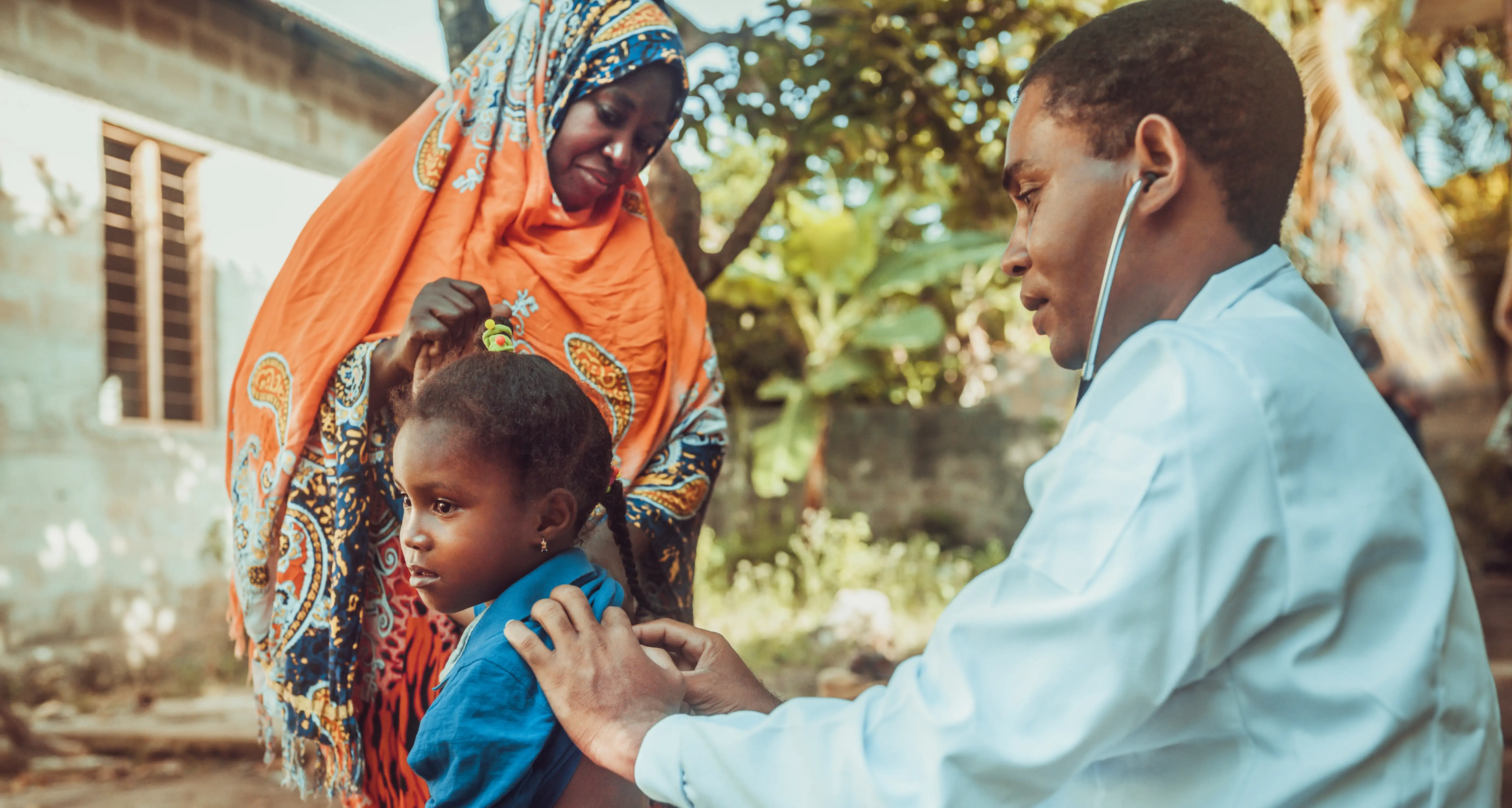
Addressing malaria effectively requires a clear and sustained focus on expanding access to essential interventions. Preventive measures such as insecticide-treated nets, and other effective treatments must consistently reach underserved and high-burden communities. Too often, the challenge lies not in the lack of solutions, but in the systems that fail to deliver them equitably. Closing these gaps is essential to transforming potential into real-world impact.
At the same time, continued investment in innovation and health system strengthening remains indispensable. The evolving nature of malaria shaped by drug resistance and environmental change demands adaptive, forward-looking approaches supported by ongoing research. Strong healthcare systems, built on trained professionals and reliable supply chains, are critical to sustaining progress. Equally important is collaboration across governments, healthcare providers, private sector stakeholders, and communities, to ensure that efforts are aligned and impactful.
.jpg)
Landcent’s Commitment to Meaningful Change
At Landcent, this call to action is deeply aligned with our purpose. We believe that where you live should never determine your access to healthcare. This belief drives our commitment to improving the lives of underserved communities by developing and delivering impactful solutions that address both local realities and systemic barriers to health.
Through our holistic approach across prevention, diagnostics, and treatment, we actively contribute to accelerating access to high-impact solutions that strengthen local healthcare systems and improve health outcomes in underserved populations. Our approach is rooted in ensuring that innovation translates into access, and that solutions are not only effective, but also sustainable and equitable.
Moving Forward, Together
Building healthier communities requires more than intention, it requires collective effort and shared responsibility. This World Malaria Day, we join the global call to stand with science and place equity at the center of health. By working together and staying driven in our purpose, we can continue to build momentum toward a future free from malaria, one where progress is not just possible, but lasting.
More Updates




%204.png)


Subscribe to The Newsletter
Be the first to know—Get the latest news, discoveries, and impact stories that matter
