
Seeing the Unseen - Why Schistosomiasis Still Demands Attention on World NTD Day
World Neglected Tropical Diseases (NTDs) Day is a reminder that some of the world’s most widespread diseases remain among the least visible—and that urgently new diagnostic tools are needed to detect these diseases to support the progress towards elimination.
Marked every year on January 30, World NTD Day is about more than awareness. It’s about recognition, equity, and action. NTDs affect over a billion people globally, trapping families and communities in cycles of poor health and poverty, often undetected, simply because they lack access to basic services like safe water, sanitation, and healthcare.
One of the most widespread yet overlooked of these diseases is Schistosomiasis, also known as bilharzia.
What is schistosomiasis—and who does it affect?
Schistosomiasis is a parasitic disease caused by blood flukes (trematode worms) of the genus Schistosoma, which can lead to both short-term illness and long-term, chronic health consequences. Infection occurs through everyday contact with freshwater that serves as a snail habitat, such as during bathing, washing clothes, fishing, or playing.
The disease disproportionately affects children and underserved communities, particularly in sub-Saharan Africa. While early symptoms may be mild or go unnoticed, long-term infection can lead to anaemia, chronic pain, impaired growth and development, reduced learning ability, and serious organ damage.
According to the World Health Organization, an estimated 253.7 million people required preventive treatment for Schistosomiasis in 2024, of which 134.8 million were school-aged children—a stark reminder of the scale of the challenge and the number of lives still at risk.
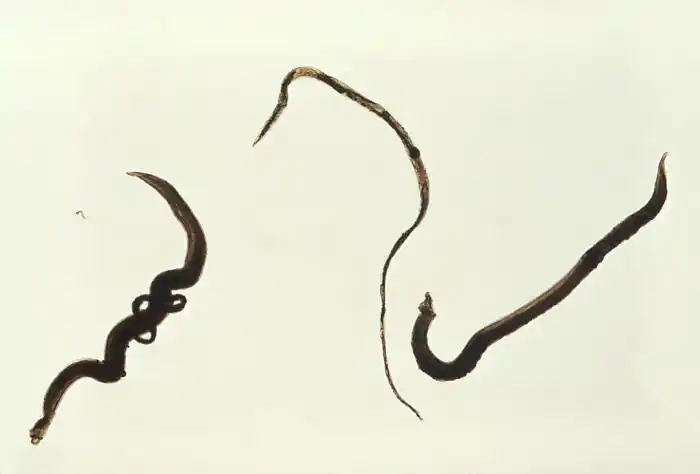
The challenge beneath the surface
Schistosomiasis is both preventable and treatable, yet it continues to persist. As control programmes reduce infection intensity, cases become harder to detect using traditional diagnostic methods. More sensitive diagnostics are therefore essential to identify remaining infections, track progress accurately, and accelerate elimination.
Climate change, population movement, and expanding water and sanitation projects are altering transmission patterns, making accurate, field-friendly diagnostics essential for sustaining gains and moving toward elimination.
Closing the diagnosis gap
At Landcent, we are addressing this challenge through our POC-CCA3 test, a point-of-care diagnostic, recommended by the WHO, to detect active Schistosomiasis mansoni infections quickly and effectively in real-world settings. The POC-CCA3 test is licensed through Landcent’s partnership with Mondial Diagnostics, which has developed the test together with Leiden University Medical Center (LUMC). By improving case detection, the POC-CCA3 test helps programs:
- Identify infections that would otherwise be missed and provide data on infection intensity
- Enable more people to be tested than traditional microscopy
- Target treatment where it’s needed most
- Strengthen disease surveillance and response
- Track progress toward control and elimination goals
Better diagnostics don’t just support better data; they enable countries to make more informed decisions about treating individuals and communities.
Why this moment matters
On this World NTD Day, the message is clear: neglect is not inevitable and must be addressed. Schistosomiasis is a disease we understand, a disease we can diagnose, a disease we can treat and a disease we can prevent. What’s needed now is sustained attention, innovation, and commitment.
By continuing to talk about Schistosomiasis—and by investing in the tools that help uncover and address it—we move closer to a world where no neglected tropical disease is ignored simply because it affects the most vulnerable.
On World NTD Day, we stand with global partners and communities to say: every NTD counts, every diagnosis matters, and every life deserves to be seen.
More Updates




%204.png)


Subscribe to The Newsletter
Be the first to know—Get the latest news, discoveries, and impact stories that matter
